Updated 30 July 2026: This article originally described Jürgen Klopp as Liverpool’s current manager. That was no longer accurate. Liverpool confirmed Klopp’s departure in 2024, Arne Slot then led the club to the 2024–25 Premier League title, and Andoni Iraola was appointed head coach ahead of the 2026–27 season. The guide below has been rewritten to separate verified facts from changing match-day information.
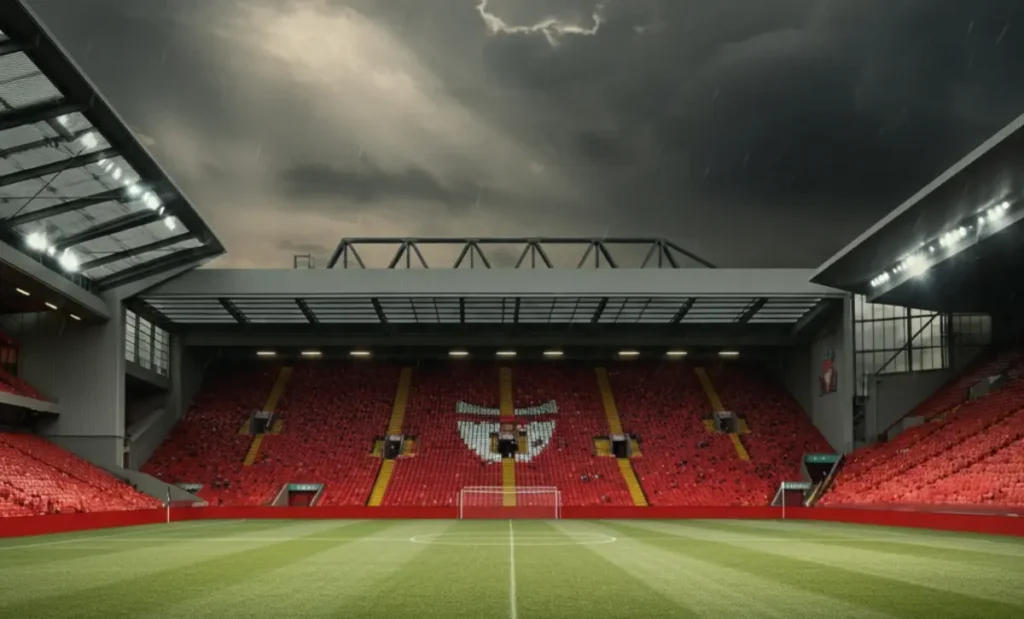
Liverpool’s ambitions are often discussed through results, transfers and managers, but the club’s identity at Anfield is also built on continuity: committed support, high expectations and a style that asks players to compete with intensity. Managers and squads change. That underlying pressure to perform does not.
A period of managerial transition
Jürgen Klopp’s long spell ended in 2024. Liverpool appointed Arne Slot as head coach that summer, and he guided the club to its record-equalling 20th English top-flight title in his first campaign. Liverpool later announced Slot’s departure in May 2026 and confirmed Andoni Iraola as his successor for the 2026–27 season.
Those dates matter because football articles become misleading quickly when they describe a former coach as if he still holds the job. Readers checking the latest team news should use the club’s official head-coach announcement, the official fixture list and the Premier League website.
What remains consistent at Anfield
A new coach may change the pressing triggers, build-up structure or defensive shape, but any Liverpool side is judged against several familiar expectations. Supporters want energy without losing control, attacking intent without leaving avoidable gaps, and young players to be given a pathway when their performances justify it.
Anfield can amplify those expectations. The atmosphere is most valuable when it gives the team confidence during difficult periods, not only when the score is comfortable. That emotional lift cannot replace tactics or squad depth, but it can influence the tempo of a close match.
Squad resilience is more than rotation
Premier League clubs face domestic fixtures, cup competitions, travel and international breaks. Depth therefore means more than naming two players for every position. A resilient squad needs players who understand multiple roles, medical staff who manage workloads carefully, and coaches who can adjust without changing the entire identity of the team.
Injuries, suspensions and transfers can make yesterday’s preferred line-up irrelevant. For that reason, this page does not present an unverified “current best XI”. Official team sheets, published roughly an hour before kick-off, are the reliable source for who is actually playing.
How Liverpool’s tactical identity can evolve
Klopp’s Liverpool became closely associated with pressing and fast transitions. Later coaches inherited a club familiar with aggressive, front-foot football, but they have not been required to reproduce every detail of the previous system. Evolution may involve longer spells of possession, different full-back positions, a more compact midfield or selective pressing rather than constant pressure.
The useful question is not whether a new coach is copying a predecessor. It is whether the team can create chances, protect central areas, control transitions and adapt when opponents block the preferred route to goal. Those are measurable ideas that remain relevant even when formations change.
What Premier League ambition requires
A title challenge is not established by a short winning run. It is sustained through performance over an entire season. Liverpool need points, but analysts should also look at chance quality, defensive stability, results away from home, recovery between fixtures and how the team responds after setbacks.
The 2024–25 campaign is a useful confirmed reference point: Liverpool secured the Premier League title under Slot. The Premier League’s official report records the achievement. It should not, however, be used as evidence of the club’s position in a later season. Current tables and fixtures must always be checked separately.
How to verify the latest Liverpool information
- Manager and club announcements: use Liverpool FC’s official news pages.
- League table, fixtures and results: use the Premier League’s official website.
- Starting line-ups: wait for the official team sheet on match day.
- Injuries and availability: prefer named press-conference comments over anonymous social-media claims.
- Transfer reports: distinguish a completed registration or club announcement from speculation.
This approach prevents an analysis article from becoming a source of false “latest news”. It also lets readers understand the longer-term football ideas while checking fast-changing facts at their original source.
Liverpool and Anfield FAQ
Who is Liverpool’s head coach?
As of 30 July 2026, Liverpool had appointed Andoni Iraola ahead of the 2026–27 season. Because coaching roles can change, verify the latest position on Liverpool FC’s official website.
Did Arne Slot replace Jürgen Klopp?
Yes. Slot began as Liverpool head coach in June 2024 after Klopp’s departure. Liverpool won the 2024–25 Premier League title during Slot’s tenure.
Why is Anfield considered important?
Anfield is Liverpool’s home stadium and is known for its intense match-day support. Atmosphere can encourage the team, although results still depend on preparation, tactics and player performance.
Where should I check Liverpool’s current league position?
Use the live table on the official Premier League website. A position quoted in an undated article may already be out of date.
Editorial correction
We substantially rewrote this page on 30 July 2026 after identifying an outdated reference to Jürgen Klopp as Liverpool’s current manager. The corrected version records the later Slot and Iraola appointments and avoids presenting changing form, fixtures or line-ups as permanent facts.