
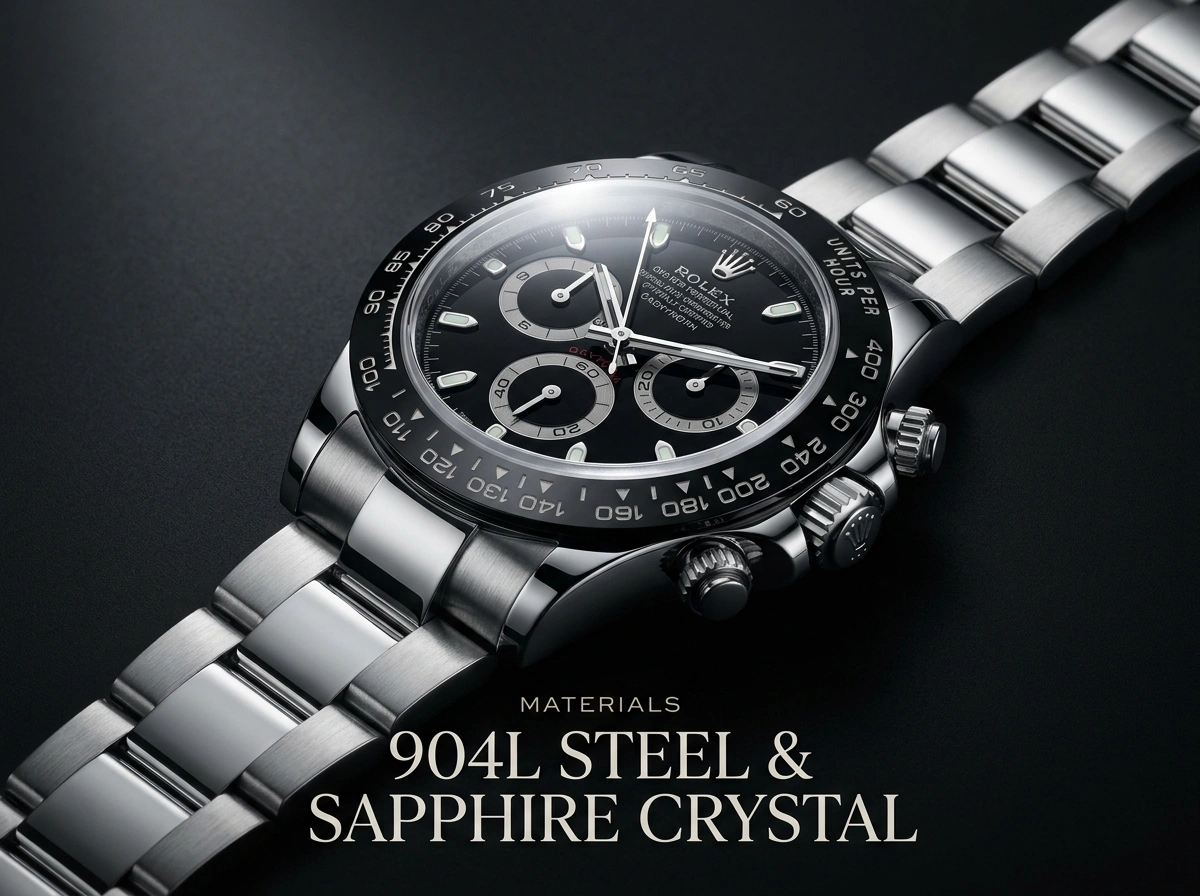
When people talk about high-end watches, the conversation often drifts toward design and brand prestige. Yet the real story lives in the materials. The metals, crystals, and finishing techniques used in a watch decide how it feels on the wrist, how it ages, and how closely it mirrors a genuine luxury timepiece. Two materials sit at the heart of this discussion: 904L stainless steel and sapphire crystal. Both have become benchmarks for quality, and both play a major role in the world of premium replicas.
This article breaks down what these materials are, why collectors value them, and what to consider when judging the quality of a high-grade watch.
Understanding 904L Steel
Most stainless steel watches on the market use 316L steel. It is reliable, affordable, and resistant to corrosion. For years it served as the standard across the watch industry. Then certain premium brands raised the bar by switching to 904L steel, a tougher and more refined alloy.
So what makes 904L different? The answer lies in its composition. 904L contains higher levels of chromium, nickel, molybdenum, and copper. These elements give the steel a richer set of properties that go beyond what 316L can offer.
In simple terms, 904L is harder, shinier, and more resistant to rust and acids. It holds polish better, which gives finished watches a deeper, more luminous glow. That subtle difference in shine is often what separates a convincing piece from an obvious imitation.
Why Brands and Buyers Value 904L
The appeal of 904L comes down to a few clear advantages:
- Corrosion resistance. The added chromium and molybdenum help the steel fight off saltwater, sweat, and harsh chemicals. This matters for anyone who wears their watch daily.
- Superior polish. 904L reflects light in a way that looks warmer and more premium. The surface appears almost liquid when finished correctly.
- Durability. The alloy resists scratches and wear better than standard steel, which helps the watch keep its looks over time.
- Weight and feel. 904L tends to feel substantial on the wrist. That heft signals quality to most wearers.
Working with 904L is not easy. The steel is harder to machine and shape, which means it requires better tools and more skilled labor. This is one reason premium watches built from 904L command attention. The material itself demands a higher level of craftsmanship.
The Role of Sapphire Crystal
The crystal is the clear cover that protects the dial. It might seem like a small detail, but it shapes how you experience the watch every single day. Three main types appear across the industry: acrylic, mineral glass, and sapphire crystal.
Acrylic scratches easily. Mineral glass offers a middle ground. Sapphire crystal sits at the top.
Sapphire crystal is made from synthetic sapphire, grown in controlled conditions to create a material that is extremely hard. On the Mohs scale of hardness, sapphire scores a 9, just below diamond at 10. This means almost nothing in daily life can scratch it. Keys, coins, desk edges, and zippers leave it untouched.
Visual and Practical Benefits of Sapphire
Beyond toughness, sapphire crystal brings real clarity. A well-made sapphire crystal lets you read the dial cleanly from many angles. The best versions include anti-reflective coatings that cut glare and make the dial almost disappear under the glass.
Here are the standout benefits:
- Scratch resistance. The dial stays clear and readable for years.
- Optical clarity. Colors and details on the dial appear sharp and true.
- Anti-reflective coating. Quality coatings reduce glare and improve readability in bright light.
- Long-term value. A crystal that resists damage keeps the whole watch looking newer for longer.
The presence of true sapphire crystal is a common test buyers use to gauge quality. A clear, scratch-proof crystal with a smooth anti-reflective layer signals serious attention to detail.
How These Materials Work Together
A watch is more than the sum of its parts. When 904L steel and sapphire crystal come together, they create a piece that feels coherent and refined. The steel gives the case and bracelet strength and shine. The crystal protects and showcases the dial. Together they deliver a wearing experience that holds up to daily life and time.
This pairing is exactly why these materials appear in conversations about high-grade replicas. A well-built rolex superclone aims to match the original not just in looks but in the feel of the materials. Getting the steel grade and crystal right is a core part of that goal.
Craftsmanship Considerations
Materials alone do not make a great watch. The way they are worked matters just as much. Consider the finishing on the case. A skilled maker will combine brushed and polished surfaces to catch light in deliberate ways. The transition between these finishes should be crisp, not blurry.
The bracelet is another telling area. Tight tolerances between links, smooth movement, and a solid clasp all point to careful assembly. Gaps, rattles, or rough edges reveal shortcuts.
Sapphire crystal also requires precise fitting. The crystal must sit flush with the bezel, with no uneven edges or visible glue. A clean, seamless fit shows the maker took the time to do things right.
These details separate average work from impressive work. Even with the best raw materials, poor execution shows.
What Buyers Look For in Premium Watch Materials
Anyone shopping for a quality watch, whether genuine or a high-end replica, tends to focus on a familiar checklist. Understanding these points helps you judge any piece with a sharper eye.
- Steel grade. Buyers look for 904L over standard 316L when chasing top-tier quality. The shine and weight give it away.
- Crystal type. True sapphire crystal is non-negotiable for serious buyers. A quick water-drop test or scratch test often confirms it.
- Weight and balance. A quality watch feels solid and balanced. Too light usually means cheaper materials.
- Finishing quality. Sharp lines, even polish, and clean transitions all matter.
- Bracelet construction. Solid links, smooth action, and a secure clasp signal good engineering.
- Anti-reflective coating. A well-applied coating improves both looks and function.
These factors combine to tell the full story of a watch. No single element stands alone. The grade of steel, the type of crystal, and the skill of the maker all feed into the final result.
Final Thoughts
The fascination with 904L steel and sapphire crystal comes from a simple truth: better materials create better watches. The steel offers strength, corrosion resistance, and a polish that catches the eye. The sapphire crystal protects the dial while keeping it crystal clear for years.
For collectors and everyday wearers alike, these materials represent a standard worth understanding. Whether you are evaluating a genuine luxury piece or a carefully made replica, knowing what goes into the build helps you spot quality with confidence. In the end, the materials and the craftsmanship behind them shape every moment you spend with the watch on your wrist.
